Table of Contents
- Introduction
- Section 1: What Happens Behind the Scenes at Luxury Venues
- Section 2: How Top Venues Manage Event Transitions Smoothly
- Section 3: Common Setup and Teardown Challenges
- Section 4: How Couples Can Ensure Seamless Wedding Execution
- Section 5: The Importance of All-Inclusive Venue Management
- FAQs
- Wedding Planning Checklist
- Conclusion
Introduction
Planning a wedding can feel like juggling a dozen moving pieces, especially when it comes to setting up and tearing down the event. Industry guides emphasize that many couples focus on decor, food, and outfits while underestimating the logistical choreography required to make everything run on time.[web:132][web:135][web:139] This post looks at what actually happens during wedding setup and teardown, where things often go wrong, and how professional venues smooth over potential issues. Along the way, it highlights how all-inclusive management, like what you find at Wiwaha in Bangalore, lifts a heavy load off couples by handling complexities quietly and efficiently.[web:1][web:11][web:140]
Section 1: What Happens Behind the Scenes at Luxury Venues
Luxury venues operate more like production hubs than simple spaces. Days before the wedding, venue coordinators finalize timelines, confirm vendor arrival slots, and map out where rentals, florals, staging, and AV equipment will be loaded in.[web:132][web:139] Teams prepare both indoor and outdoor areas, test power circuits, lighting, and sound systems, and build contingency options for layout tweaks or weather changes so things are guest-ready without last‑minute chaos.[web:132][web:137]
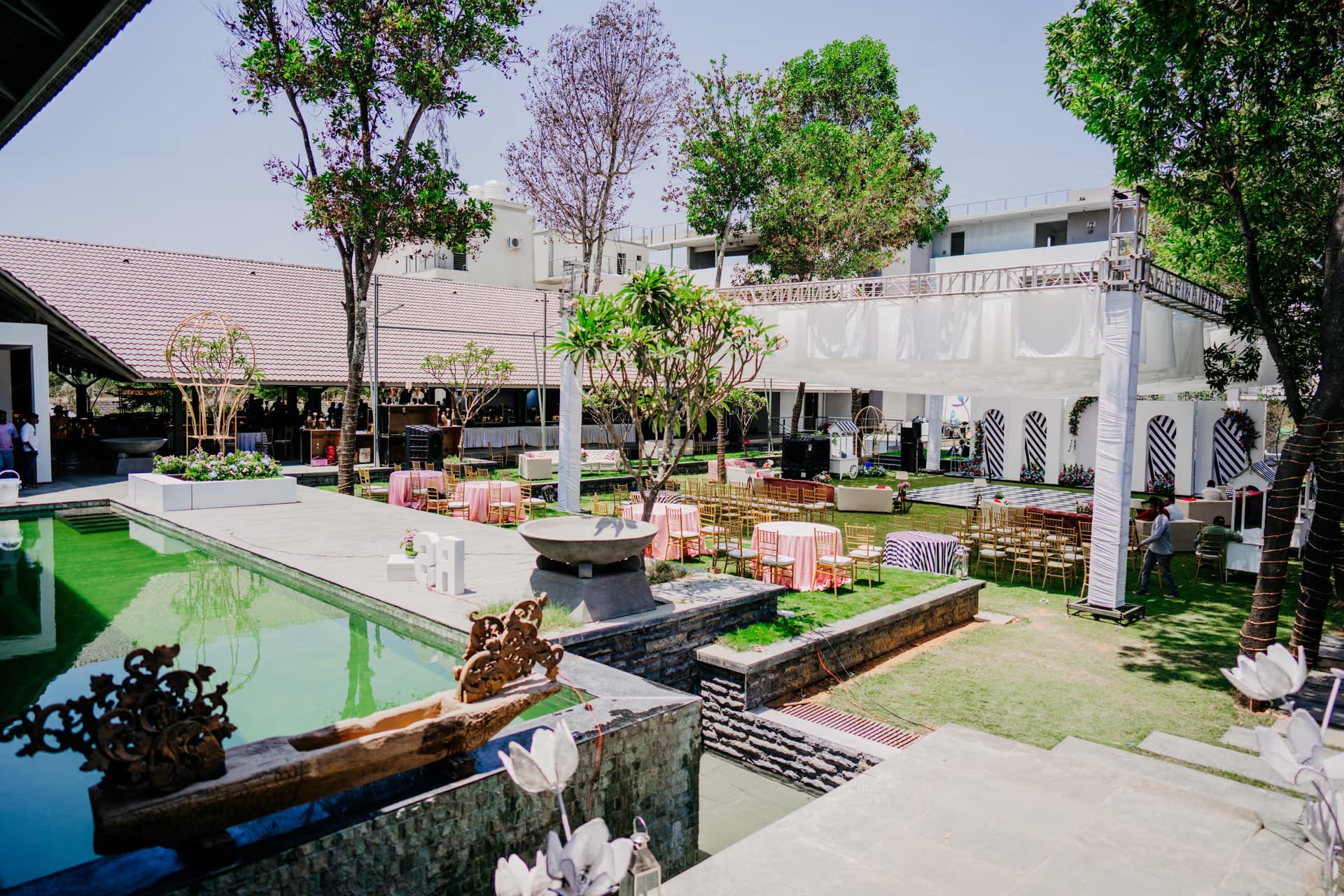
Venues like Wiwaha in Bangalore, which combine a banquet hall and lawn with substantial parking and professional staff, are designed so vendors can work with minimal disruption to families or guests.[web:1][web:3][web:11] The result is an organized, behind-the-scenes operation where heavy lifting, troubleshooting, and technical checks happen quietly long before the couple walks in.
Section 2: How Top Venues Manage Event Transitions Smoothly
Transitions between ceremony, cocktails, reception, and late‑night wrap‑ups are some of the most complex moments in any wedding timeline. Best‑practice guides recommend staggered setup windows, separate staging areas, and clearly mapped guest routes so one part of the venue can flip while another remains in use.[web:132][web:135][web:137]
Top venues layer these plans with wayfinding, restroom proximity, and parking access to avoid bottlenecks or awkward downtime.[web:133][web:138] Properties with both indoor and outdoor zones, like Wiwaha, can shift segments inside or outside as needed—keeping events moving even if teams are resetting décor or if weather forces a quick change of plan.[web:1][web:3][web:11]
Section 3: Common Setup and Teardown Challenges
Even with planning, several recurring issues can disrupt setup and teardown. Coordinators often flag late or misdirected deliveries, unclear floor plans, and vendors arriving without correct power or access details as top causes of delay.[web:132][web:135][web:139]
On teardown, rushed pack‑ups, miscommunication about who handles rentals, and failure to meet venue cutoff times can lead to damaged items or extra fees.[web:132][web:140] Weather is another wildcard; without indoor back‑up layouts and covered loading areas, last‑minute rain or wind can derail outdoor setups and slow post‑event cleanup.[web:132][web:147]
Section 4: How Couples Can Ensure Seamless Wedding Execution
Couples can dramatically reduce stress by investing in strong coordination from the outset. Expert checklists recommend creating a detailed master timeline, confirming all vendor arrival and teardown windows, and assigning one point of contact—usually a planner or venue coordinator—to manage questions on the day.[web:135][web:137][web:141]
Final walk‑throughs one to two days before the wedding help catch missing power points, layout issues, or risky weather assumptions.[web:132][web:139] Using digital tools for timelines, contracts, and seating charts keeps everyone aligned, while choosing venues built for guest comfort and flow, such as Wiwaha with its hall‑and‑lawn configuration and on‑site parking, further reduces last‑minute scrambling.[web:1][web:3][web:11]
Section 5: The Importance of All-Inclusive Venue Management
All‑inclusive venue management brings setup, live coordination, and teardown under one trained team instead of scattering responsibility across multiple vendors. Many luxury and destination venues now package vendor liaison, basic décor setup, timeline management, and post‑event cleanup into their offerings because couples increasingly want fewer moving parts to oversee themselves.[web:134][web:140][web:142]
Wiwaha's listings highlight ample parking—often cited around 200–250 vehicles with valet options—and a staff focused on guest services and logistics, reflecting this all‑inclusive approach in the Indian context.[web:1][web:3][web:11] When one venue team quietly manages everything from car flow to final sweep‑throughs, couples experience the event as seamless rather than pieced together.
FAQs
Q1: What exactly goes on during wedding setup at luxury venues?
Luxury venues coordinate delivery windows, layout builds, rental placement, floral installs, and AV checks, usually starting at least a day or two before the wedding. They also test sound, lighting, and power and ensure guest entry routes remain clean and safe.[web:132][web:137][web:139]
Q2: How do venues handle moving guests smoothly between ceremony, cocktail, and reception?
They rely on staggered vendor timelines, separate staging areas, clear signage, and pre‑planned guest pathways while sometimes using alternate indoor zones as backups, which keeps each transition feeling natural rather than rushed.[web:132][web:133][web:138]
Q3: What are frequent problems during teardown?
Common issues include unclear responsibility for rentals, missing instructions about when access ends, crews arriving late, and weather disruptions that slow packing, all of which can lead to extra charges or strained vendor relationships.[web:132][web:139][web:140]
Q4: How can couples minimize setup or teardown stress?
Hiring a coordinator, locking timelines at least a week in advance, doing a joint walk‑through with venue and vendors, and sharing a master contact sheet and schedule keep everyone aligned and reduce last‑minute decisions.[web:135][web:137][web:141]
Q5: Why is all-inclusive management beneficial for wedding logistics?
Centralized management closes communication gaps, streamlines vendor coordination, and ensures someone is accountable for every phase from setup to teardown, which significantly lowers risk and stress for the couple.[web:134][web:140][web:144]
Wedding Planning Checklist
- Confirm vendor arrival, setup, and teardown windows with your coordinator at least one week before the wedding.[web:135][web:137][web:141]
- Verify venue power access, lighting locations, and AV needs ahead of time, including any backup circuits or generators for outdoor areas.[web:132][web:139]
- Schedule a full walk‑through of ceremony, cocktail, and reception spaces with venue staff and key vendors 1–2 days before the event.[web:132][web:137]
- Coordinate guest parking plans, valet or shuttle needs, and signage with the venue—especially when handling 100+ vehicles.[web:11][web:136]
- Create a teardown checklist that spells out who is responsible for rentals, décor, personal items, and trash removal and by what time.[web:132][web:139]
- Use a shared digital folder with timelines, floor plans, and vendor contacts so everyone can access the latest version easily.[web:135][web:141][web:143]
- Draft weather‑backup layouts for any outdoor segments, including tenting options or indoor relocation plans.[web:132][web:144][web:147]
- Assign one point person—planner, coordinator, or trusted friend—to field day‑of vendor questions instead of the couple.[web:137][web:139][web:141]
- Ensure every vendor receives the final timeline and site map at least 2–3 days before the wedding.[web:135][web:139][web:143]
Conclusion
A flawless wedding rarely happens by accident; it is the product of careful logistics, clear roles, and practiced teams working behind the scenes from setup through teardown.[web:132][web:135][web:144]
When couples choose venues designed for guest flow and supported by all‑inclusive management—such as Wiwaha in Bangalore, with its coordinated staff, generous parking, and flexible indoor–outdoor layout—the weight of logistics lifts and space opens up to focus on celebration and memory‑making.[web:1][web:3][web:11][web:140]