Table of Contents
- Introduction
- Why Couples Regret Their Wedding Day Decisions
- What Guests Wish Had Been Different
- Common Hosting Mistakes and How to Avoid Them
- How Venue Choice Shapes the Wedding Experience
- Tips for Comfortable Guest Flow and Logistics
- FAQs
- Wedding Planning Checklist
- Conclusion
Introduction
Planning a wedding involves juggling many moving parts, and even the most careful couples sometimes look back wishing they had done things differently. From the guests' perspective, some days can feel harder than expected due to logistics or missing details. Drawing on real stories and crowd-sourced wisdom, this article highlights common wedding regrets and mistakes so you can plan better, prioritize guest comfort, and consider venues like Wiwaha in Bangalore that offer holistic solutions beyond fragmented options.
Why Couples Regret Their Wedding Day Decisions
Many couples realize after the fact that they over-scheduled their day. Packing too many events or ceremonies back-to-back leaves little room to enjoy or relax. Others regret poor communication with guests, leading to confusion about timings or locations. Some common regrets specific to Indian weddings include underestimating the complexity of multi-day celebrations and not clearly budgeting for the entire scope of events. Last-minute decisions and unclear vendor agreements are also frequent pain points. Taking time for thorough planning and establishing clear communication early can prevent these issues.
What Guests Wish Had Been Different
Guests often regret not having an organized after-party or transitional events after the main celebrations, causing a drop in energy and social interaction. Overindulgence in drinks without opportunities to rest or eat well is another concern, sometimes leaving guests feeling unwell or drained before the festivities end. Many guests also mention not eating enough during the excitement, which impacts their experience. Making sure food and beverage breaks are planned into the schedule helps everyone stay energized and present.
Common Hosting Mistakes and How to Avoid Them
Hosting a wedding requires thinking through every guest interaction point. Common mistakes include not providing guests with all essential information—such as parking options, accessibility, or transport well in advance. Another is neglecting to plan clear and logical guest movement pathways from arrival to departure, which can lead to bottlenecks or confusion. Accessibility for guests with mobility challenges is frequently overlooked, leading to discomfort or frustration. Designing the event flow so that each part of the celebration follows naturally from the last improves the overall experience.
How Venue Choice Shapes the Wedding Experience
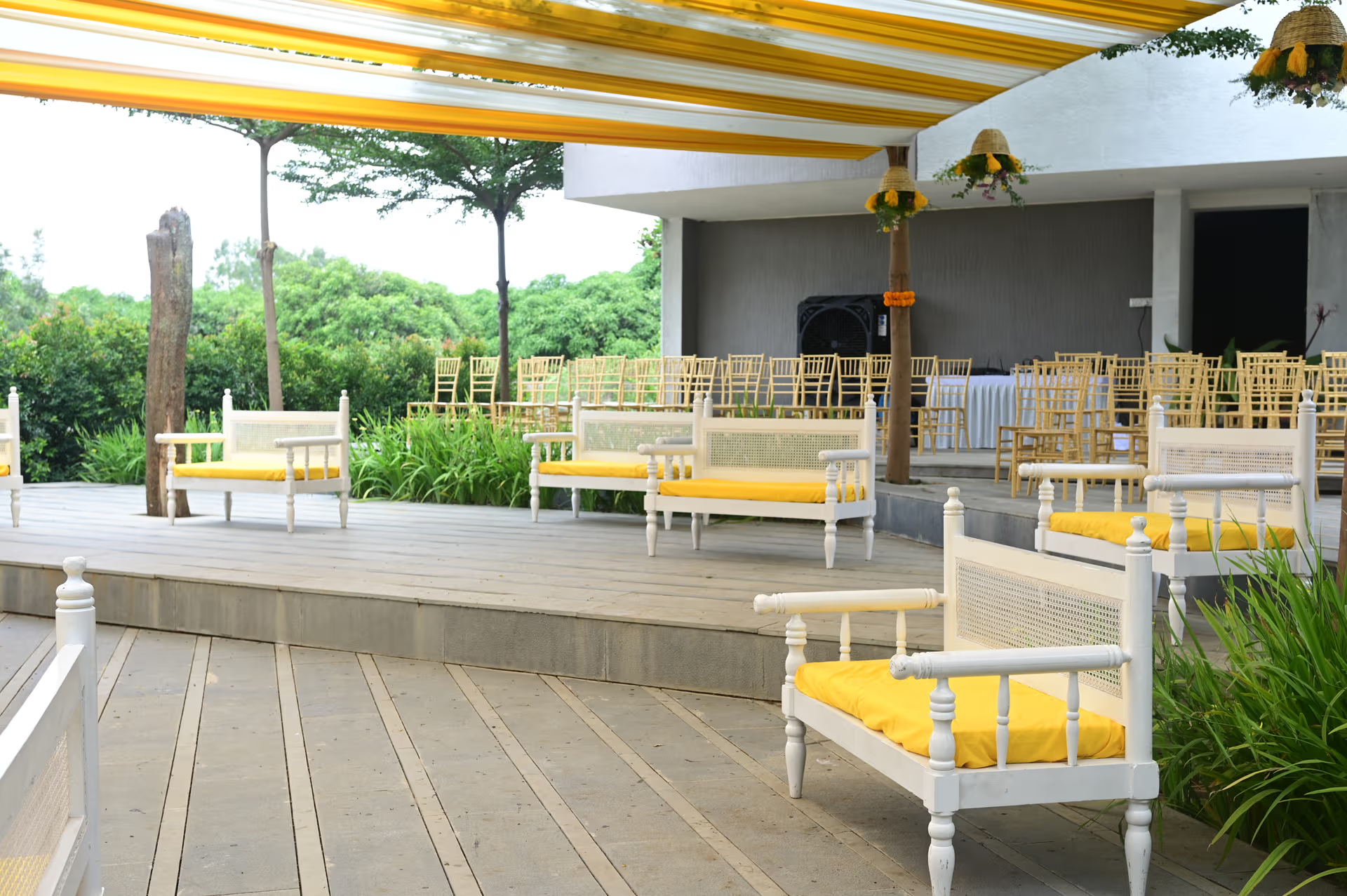
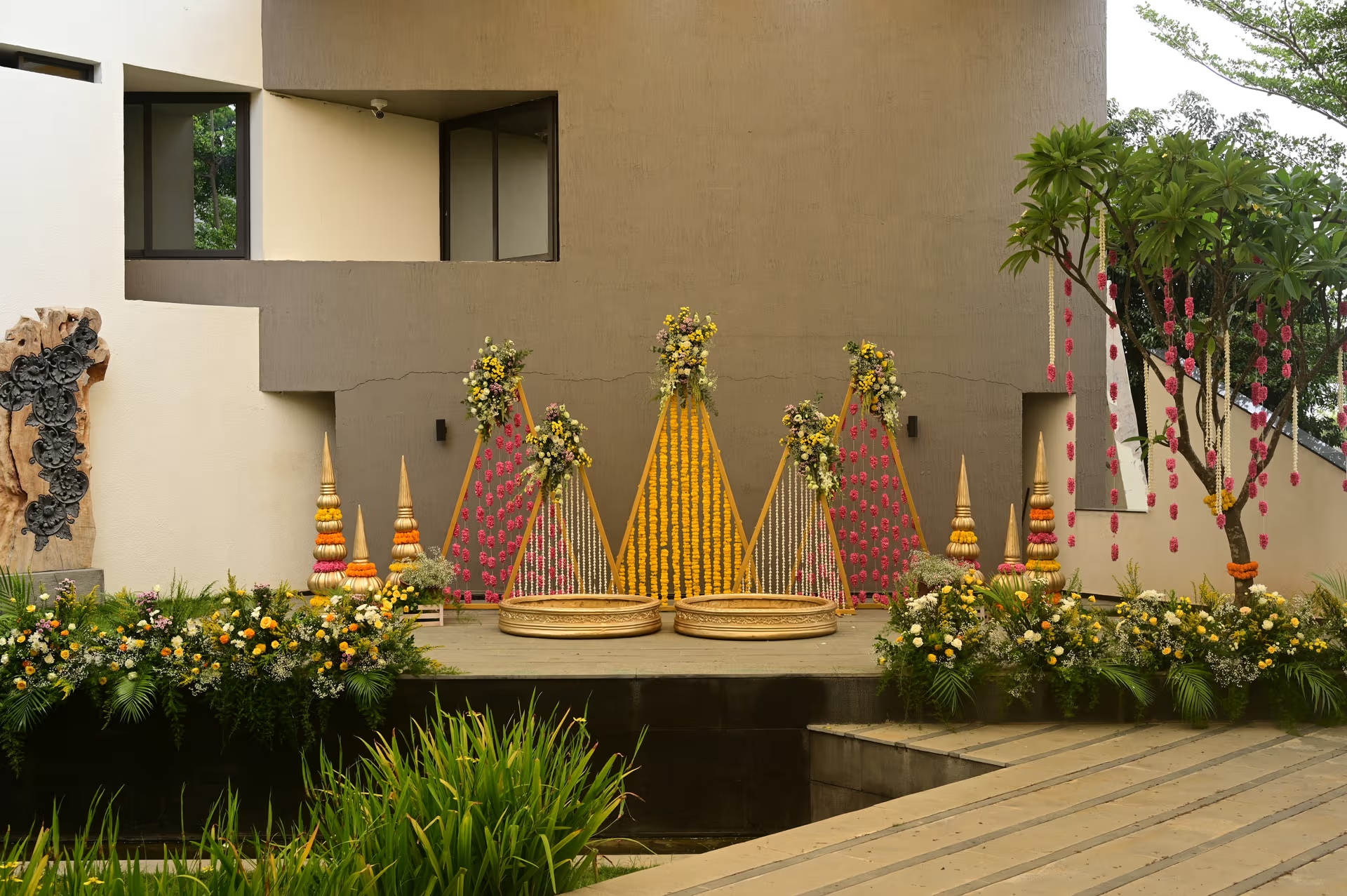
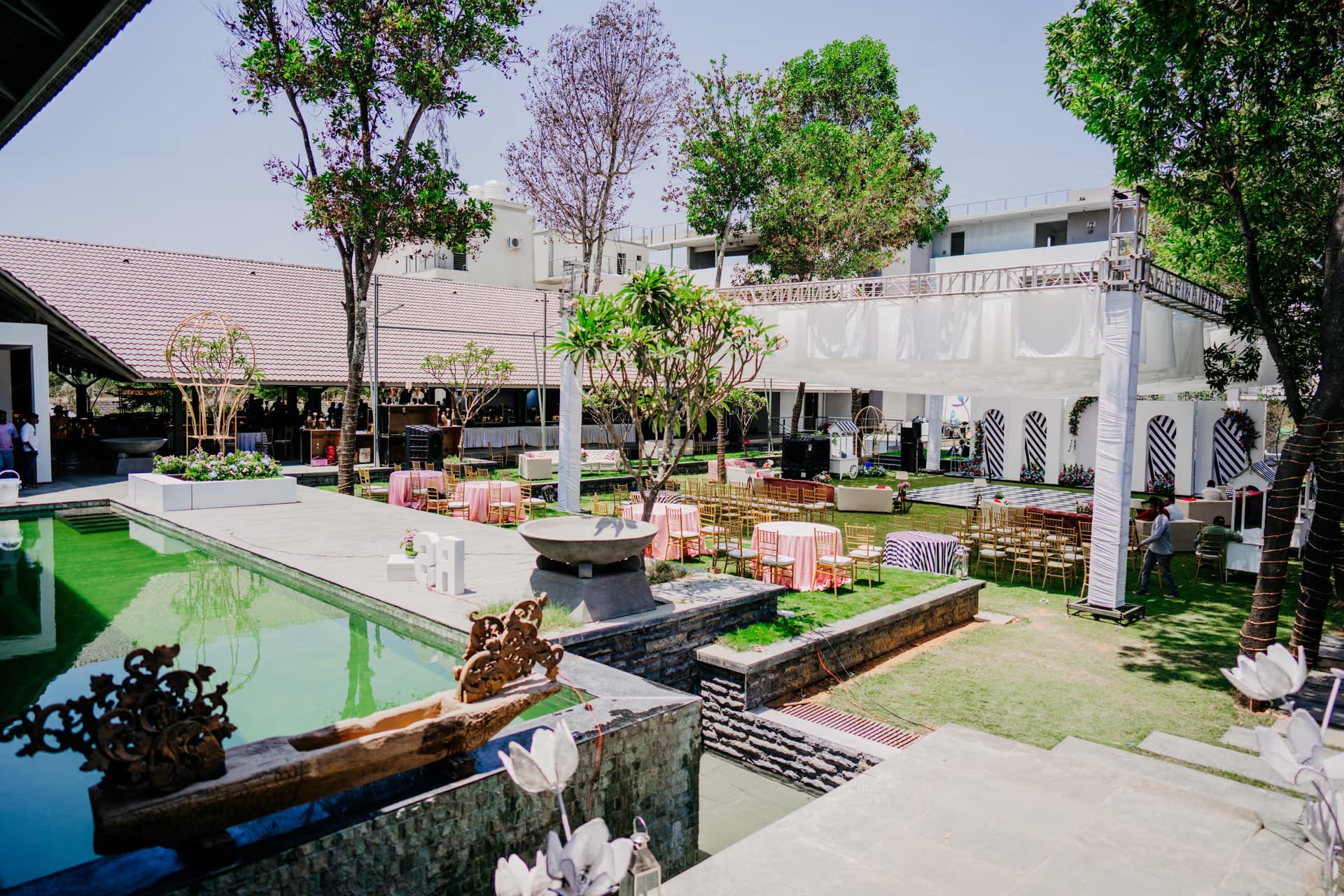
The venue sets the tone and has a huge impact on guests' comfort and enjoyment. A good venue will offer proper seating arrangements, balanced lighting, and necessary amenities that align with the event's style and cultural nuances. For Indian weddings, where events can span several days and include indoor and outdoor functions, versatility and space are critical. A venue that accommodates large gatherings without making guests feel crowded aids in creating a relaxing atmosphere. Comfort in movement—like easy parking for many vehicles or proximity of ceremony to dining areas—avoids unnecessary stress.
Tips for Comfortable Guest Flow and Logistics
- Share all vital guest info, including schedules and transport, well before the wedding day.
- Confirm parking availability and clearly mark routes from parking to the venue.
- Ensure that seating is organized for accessibility and comfort, avoiding overcrowding.
- Place cocktail, dinner, and ceremony spots in a sequence that makes logistical sense and minimizes walking distances.
- Provide areas for guests to rest, especially for elderly or differently-abled family and friends.
- Coordinate vendors to prevent overlapping schedules or delays.
FAQs
Q: What do couples most commonly regret about their wedding day?
A: Over-scheduling events and lack of clear communication with guests often top the list.
Q: How can guests avoid feeling overwhelmed or exhausted during a wedding?
A: Taking scheduled food and drink breaks, planning calmer moments, and having after-party options help guests stay energized.
Q: What is a critical aspect of hosting guests that often gets missed?
A: Early and complete sharing of guest information and thoughtfully planned guest flow throughout the venue.
Q: Why does venue choice matter so much in weddings?
A: It influences guest comfort, event flow, logistics, and the overall atmosphere, all of which affect how memorable the day is.
Q: Are there venue features that help reduce common wedding regrets?
A: Yes, features like ample parking, combined indoor and outdoor spaces, and good accessibility can avoid many pitfalls.
Wedding Planning Checklist
- Start with a clear budget and realistic timeline.
- Communicate all event details to guests three to six months in advance.
- Choose a venue that can handle your guest list comfortably with good parking and accessible facilities.
- Plan the schedule with breaks and manageable pacing.
- Arrange seating for comfort and inclusivity.
- Coordinate vendors and confirm contracts to avoid last-minute changes.
- Consider guest transport and parking logistics carefully.
- Include a plan for transitioning between ceremonies, dinners, and after-parties.
- Assign point persons for guest assistance on the day.
- Double-check all arrangements a week before the event.
Conclusion
Avoiding wedding regrets comes down to thorough planning, thinking through guest comfort, and selecting a venue that supports a smooth, enjoyable experience. Indian weddings especially benefit from a holistic approach that accommodates their scale and cultural needs. Venues like Wiwaha in Bangalore, designed around indoor-outdoor flexibility, guest flow, and warm hospitality, can simplify many hosting challenges and reduce the common stress points couples and guests face. If the logistics of handling large, multi-event weddings feel overwhelming, looking into these end-to-end solutions might save you from typical regrets and make your day truly enjoyable for everyone involved.